
Table of Contents
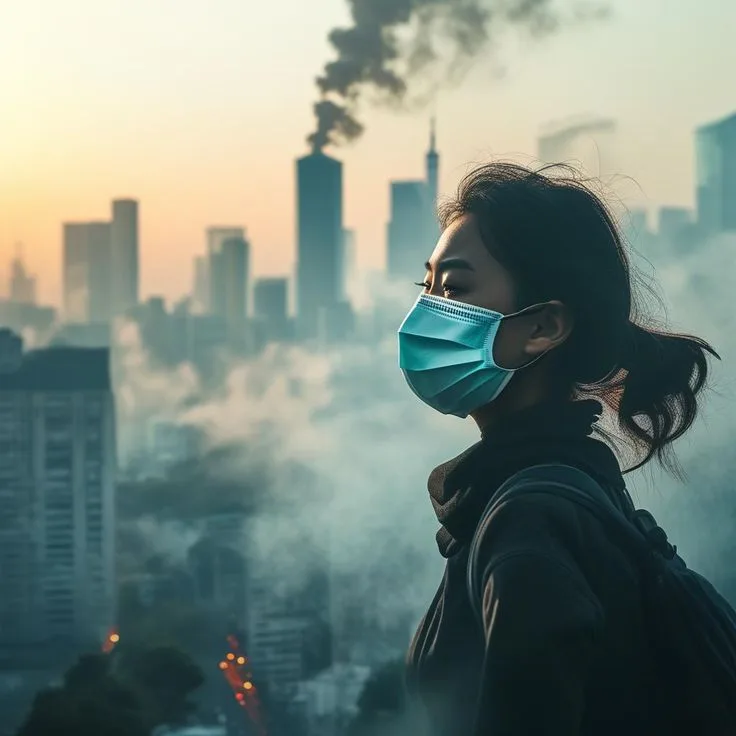
Air pollution is an important environmental concern that can affect respiratory health. Tiny particles and pollutants in the air can enter the respiratory system and may cause irritation, breathing discomfort, coughing, and other respiratory problems.
Exposure can be higher near busy roads, construction areas, industrial locations, and during periods of poor air quality. Understanding simple pollution protection measures can help reduce unnecessary exposure and support respiratory health.
1. What Is Air Pollution?
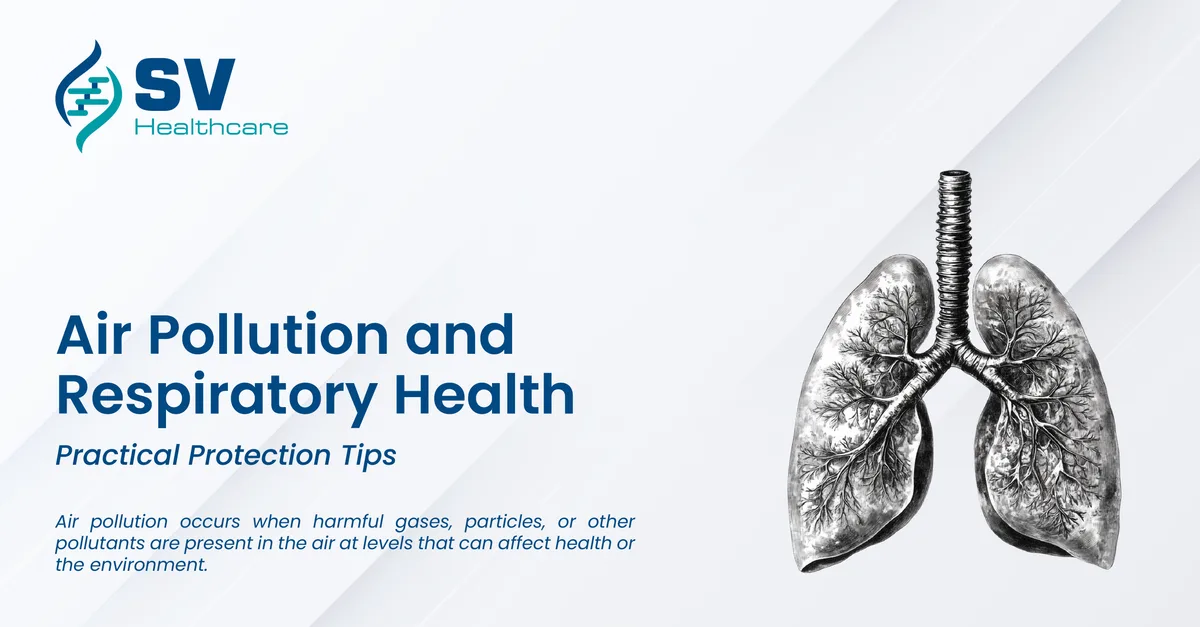
Air pollution occurs when harmful gases, particles, or other pollutants are present in the air at levels that can affect health or the environment.
Particulate matter (PM) is one important type of air pollutant. Smaller particles can travel deeper into the respiratory system.
Common sources of air pollution include:
- Vehicle emissions
- Industrial activities
- Construction and road dust
- Burning of waste or other materials
- Smoke
- Seasonal changes in air quality
2. How Does Air Pollution Affect Respiratory Health?
Breathing polluted air can irritate the nose, throat, and airways. Repeated or prolonged exposure may contribute to respiratory problems, particularly in people who are more sensitive to air pollution.
Possible effects include:
- Throat and airway irritation
- Coughing
- Wheezing
- Shortness of breath
- Worsening of existing respiratory conditions
People with asthma or other chronic respiratory conditions may be more sensitive to polluted air.
3. Common Symptoms of Pollution Exposure
Air pollution does not affect everyone in the same way. Some common symptoms may include:
- Dry or persistent cough
- Throat irritation
- Difficulty breathing
- Wheezing
- Chest discomfort
- Eye or nose irritation
If symptoms continue or become worse, medical advice may be appropriate.
4. Who May Need Extra Protection?
Some people may be more vulnerable to the effects of air pollution, including:
- Children
- Older adults
- People with asthma
- People with chronic respiratory conditions
- People with certain heart or lung conditions
- People with allergies
During periods of poor air quality, these groups may need to take additional precautions.
5. Practical Ways to Reduce Exposure
You cannot always avoid air pollution completely, but you can reduce unnecessary exposure.
Simple Pollution Protection Tips
| Situation | What You Can Do |
|---|---|
| Poor outdoor air quality | Reduce unnecessary outdoor activities |
| Heavy traffic areas | Avoid spending unnecessary time near busy roads |
| Outdoor exercise | Check air quality and adjust activity when needed |
| Dusty surroundings | Wear a well-fitting mask when air pollution levels are high. |
| High-pollution days | Keep outdoor exposure as low as practical |
| Indoor area | Use an air purifier indoor and grow more plants nearby |
When outdoor air quality is poor, consider moving exercise or other activities indoors where the air is cleaner.
6. Indoor Air Quality Matters
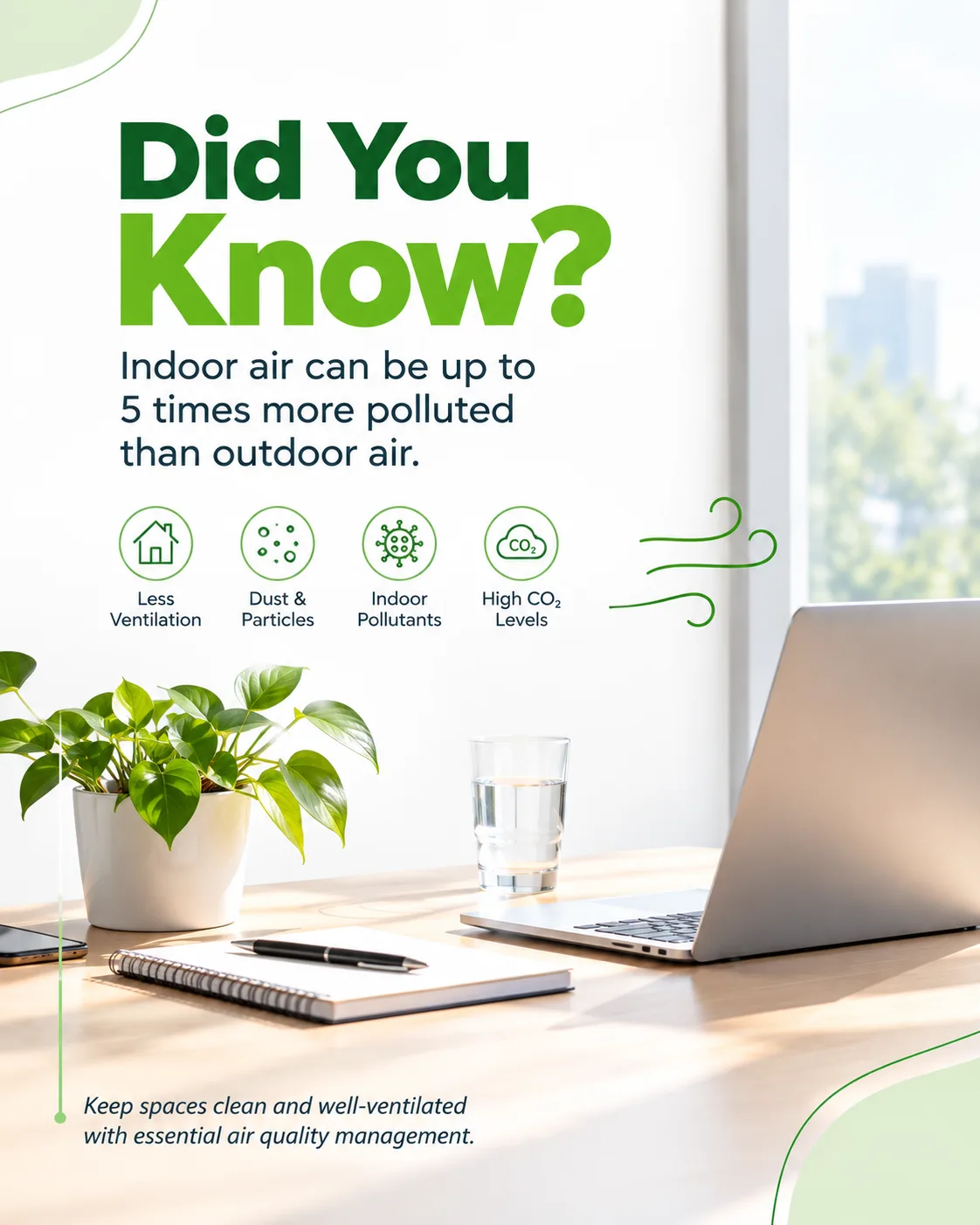
Outdoor pollution can enter buildings, while indoor activities can also produce pollutants.
To support better indoor air quality:
- Keep indoor spaces adequately ventilated when outdoor air quality allows.
- Avoid smoking indoors.
- Reduce exposure to dust and smoke.
- Maintain air-conditioning and filtration systems according to manufacturer instructions.
- Keep indoor spaces clean.
- Avoid burning materials indoors.
- Use an air purifier.
- Plant more trees and greenery nearby.
7. When to Seek Medical Attention
Do not ignore severe or persistent respiratory symptoms.
Seek medical attention if you experience:
- Severe difficulty breathing
- Persistent or worsening wheezing
- Chest pain
- Severe coughing
- Blue or grey lips or face
- Symptoms that are significantly worse than usual
People with existing respiratory conditions should continue their prescribed treatment and follow their healthcare professional's advice during periods of poor air quality.
8. Frequently Asked Questions
How does air pollution affect respiratory health?
What is particulate matter?
How can I protect myself from air pollution?
Should I exercise outdoors when pollution is high?
Who is more sensitive to air pollution?
9. Conclusion
Air pollution can affect respiratory health, especially with repeated or prolonged exposure. Simple measures such as reducing outdoor exposure during poor air quality, avoiding smoke and heavy pollution, maintaining cleaner indoor air, and adjusting outdoor activities can help reduce exposure.
Being aware of air quality and recognizing concerning symptoms can help you take appropriate steps to protect respiratory health.